Open Your Dogs Possible: A Comprehensive Overview to Effective Dog Training Techniques
Revealing a dog's prospective entails greater than simple obedience. It needs a profound understanding of canine behavior and efficient training strategies. Favorable support plays a vital role in promoting a strong bond and motivating wanted actions. In addition, socializing and dealing with behavioral problems are necessary parts. As proprietors check out these techniques, they will certainly uncover the subtleties that cause a certain and well-adjusted canine buddy. The trip to reliable training is simply starting.
Recognizing Your Dog's Actions
Understanding a dog's behavior is important for effective training and communication. Pets, as social pets, exhibit different habits that can suggest their feelings and requirements. Observing body movement, such as tail position, ear orientation, and posture, offers understandings right into a dog's mood-- whether they are unwinded, distressed, or hostile. Furthermore, vocalizations like barking, whining, or growling share various definitions, usually mirroring their mindset. Recognizing these signals permits proprietors to respond appropriately, cultivating a more powerful bond. Socialization experiences additionally form habits, influencing just how canines interact with various other animals and human beings. By extensively comprehending these behavioral hints, owners can develop a much more harmonious setting, causing more effective training outcomes and boosted interaction with their canine companions.
Favorable Reinforcement Training
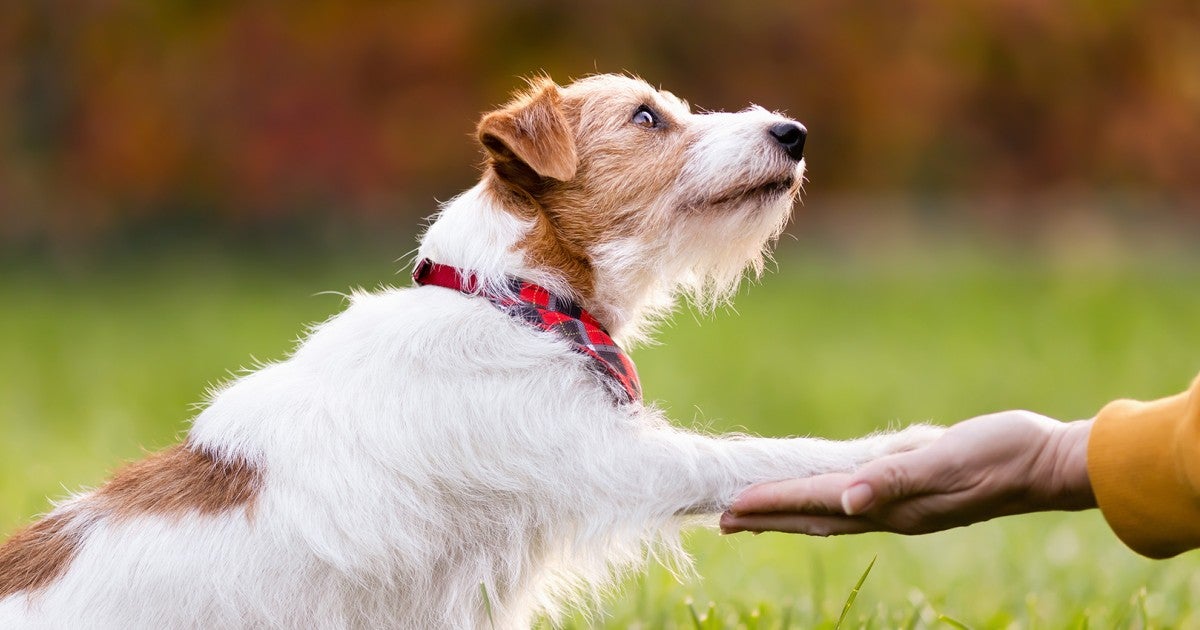
Benefits of Favorable Support
Thoughtful training methods have actually gained considerable recognition in the field of pet training, especially with making use of positive reinforcement. This approach emphasizes satisfying wanted actions instead of punishing unwanted ones. The benefits of favorable support are various. To start with, it promotes a strong bond in between the pet and handler, advertising trust fund and participation. Additionally, pet dogs trained utilizing this technique are commonly much more motivated to learn, as they link training with positive experiences. In addition, favorable reinforcement can bring about durable behavior changes, as it urges pet dogs to duplicate habits that yield incentives. Lastly, this technique lessens stress and anxiousness, producing a more delightful discovering setting. Generally, the performance of positive support makes it a popular selection amongst dog fitness instructors and owners alike.
Methods for Effective Training
Efficient training techniques construct upon the foundations laid by positive support. This method urges desired habits with incentives, fostering a favorable understanding atmosphere. Techniques such as remote control training and treat-based rewards properly communicate to canines what activities are valued. Uniformity is crucial; commands ought to be clear and benefits prompt, reinforcing the connection between actions and outcome. Furthermore, differing incentives-- using treats, praise, or play-- can preserve a dog's inspiration. Including short training sessions enhances focus and retention, while slowly boosting trouble helps pets build self-confidence. Socialization with other pet dogs and individuals can additionally be incorporated, permitting real-world technique of found out actions. Ultimately, these techniques create a strong bond in between pet and proprietor, facilitating effective communication and mutual understanding.
Basic Commands Every Dog Need To Know
A solid structure of standard commands is essential for every dog, as it fosters interaction in between the proprietor and the family pet. Key commands include "sit," "stay," "come," "down," and "leave it." These commands not only establish a structure for obedience yet likewise boost safety throughout strolls and trips. Showing "sit" gives an easy way for dogs to reply to demands, while "stay" reinforces patience. The command "come" is critical for assuring a dog returns when called, minimizing the danger of accidents. "Down" urges calmness, and "leave it" aids protect against unwanted behaviors, such as scavenging. Regular training with favorable reinforcement guarantees that dogs understand and respond accurately, eventually strengthening the bond in between owner and pet.
Socializing: The Secret to a Well-Adjusted Dog
Socialization offers as a cornerstone in creating a well-adjusted pet, shaping behaviors that advertise harmony in numerous atmospheres. Via direct exposure to different individuals, animals, and setups, canines find out to navigate social interactions and establish self-confidence. Early socialization, preferably during the critical duration in between 3 to 14 weeks of age, permits pups to develop favorable associations, lowering the possibility of anxiety and stress and anxiety later in life. Taking part in young puppy courses, supervised playdates, and varied getaways can enhance a dog's versatility and reduce reactivity. In enhancement, ongoing social experiences throughout a dog's life are necessary for keeping their social skills. By focusing on socialization, proprietors foster a balanced, pleasant friend who thrives in diverse scenarios.
Addressing Behavioral Issues
Numerous pet dogs encounter behavior concerns that can disrupt their connection with proprietors and prevent their total well-being. Typical issues consist of extreme barking, chewing, and aggressiveness, which often come from fear, anxiety, or lack of training. Determining the source is crucial for reliable intervention. Consistent training and positive reinforcement can help modify undesirable actions. Fulfilling tranquil actions can decrease barking, while supplying suitable chew toys can deter destructive chewing. In addition, producing a structured regimen can improve a dog's complacency, resulting in enhanced behavior. Owners need to continue to be individual and understanding, as attending to these issues may call for time and perseverance. With the ideal method, many behavior issues can be successfully taken care of, cultivating a healthier bond between pet and proprietor.
Advanced Training Techniques for Enthusiastic Learners
Advanced training techniques can elevate the abilities of enthusiastic students and their canine buddies. Methods such as clicker training, agility principles, and advanced obedience skills use structured approaches to improve interaction and performance (Freeport Florida Dog Trainer). These techniques not just foster a more powerful bond in between dog and trainer but additionally offer psychological stimulation for the canine
Remote Control Training Methods
Clicker training has become a efficient and prominent approach for dog fitness instructors looking for to improve their canine friends' discovering experience. This positive reinforcement method utilizes a little portable gadget that sends out a distinct noise, marking desired actions instantly. By connecting the noise of the remote control with incentives, such as deals with or appreciation, pet dogs promptly find that site out to attach specific actions with favorable outcomes.

Fitness instructors can use clicker training for various commands, tricks, and even addressing behavioral problems. Consistency is vital; each click must be complied with by a benefit to strengthen the habits. Professional Dog Training Freeport FL. Additionally, this technique cultivates a bond between the fitness instructor and pet, as it encourages interaction and understanding. With technique, both newbie and knowledgeable fitness instructors can successfully implement remote control training methods
Agility Training Fundamentals
Structure on the principles of favorable reinforcement exemplified in remote control training, agility training introduces pets to a series of challenges created to evaluate their responsiveness, control, and speed. This dynamic sporting activity contains different components, such as dives, tunnels, and click for source weave posts, encouraging pets to browse through training courses with precision. Trainers play a crucial role, utilizing spoken hints and body language to assist their animals properly. Preliminary training concentrates on familiarizing pet dogs with each obstacle, ensuring they really feel motivated and positive. As pets development, they find out to complete entire training courses, enhancing their fitness and psychological acuity. Eventually, dexterity training not only promotes a much deeper bond between pet dog and trainer but additionally provides a thrilling electrical outlet for a dog's energy and knowledge.
Advanced Obedience Skills
While several dog owners begin with standard commands, delving right into advanced obedience abilities can substantially enhance a dog's training experience and responsiveness. Advanced skills such as off-leash heeling, range commands, and intricate tricks not only test the dog emotionally but likewise reinforce the bond between the owner and their animal. Strategies like remote control training, pen training, and favorable reinforcement are vital in this phase. Consistency and persistence are important, as dogs require time to grasp these abilities. Including distractions during training sessions can improve focus and integrity. Involving in innovative obedience not just makes training satisfying but also fosters a well-mannered and confident canine buddy, prepared to deal with new challenges with enthusiasm.
Regularly Asked Inquiries
How much time Does It Require To Train a Canine Efficiently?
Training a dog effectively can take anywhere from a couple of weeks to numerous months, depending on factors like the dog's age, type, character, and the consistency of the training methods used by the owner.
Can Older Dogs Learn New Techniques?
Yes, older pet dogs can discover new methods. With persistence, consistency, and favorable support, they typically adapt well to training. Their determination to discover may stun their proprietors, proving that age does not restrict learning possible.
What Should I Do if My Dog Declines to Listen?
If a dog declines to pay attention, the proprietor should continue to be calm and patient, reassess the training technique, guarantee disturbances are lessened, and think about making use of positive support techniques to read this post here urge desired actions successfully. Freeport Florida Dog Trainer.
Just how Do I Maintain My Dog's Training With time?
To maintain a dog's training gradually, consistent reinforcement of found out commands, regular practice, and favorable rewards are necessary. Additionally, incorporating training right into day-to-day routines keeps abilities fresh and reinforces the bond between owner and pet dog.

Exist Any Kind Of Training Approaches to Stay Clear Of?
Specific training techniques must be prevented, such as those utilizing physical penalty, intimidation, or too much pressure. Favorable reinforcement techniques are recommended rather, fostering depend on and a healthy and balanced bond in between the pet dog and its proprietor.
Thoughtful training techniques have actually gained substantial acknowledgment in the field of dog training, particularly via the usage of positive support. In enhancement, canines trained utilizing this technique are commonly a lot more motivated to find out, as they connect training with positive experiences. Structure on the principles of positive support exemplified in clicker training, dexterity training introduces dogs to a collection of barriers created to examine their speed, responsiveness, and control. While lots of canine proprietors start with standard commands, delving right into sophisticated obedience skills can greatly improve a dog's training experience and responsiveness. To maintain a dog's training over time, constant reinforcement of found out commands, routine technique sessions, and positive incentives are vital.